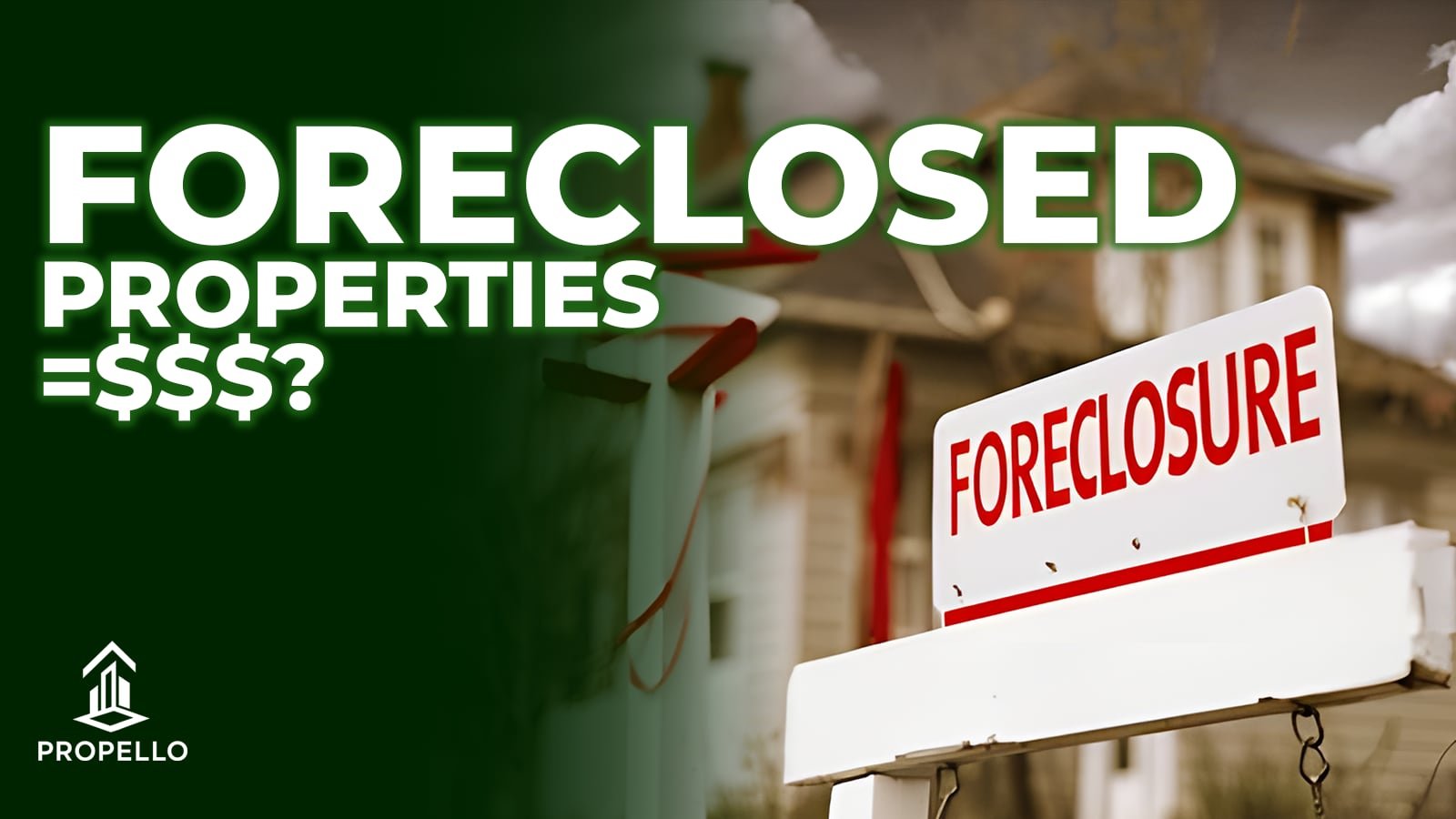
Is Flipping Foreclosed Properties a Good Investment? Here's What You Need to Know
Flipping foreclosed assets especially residential house and lot properties has gained popularity in recent years as one of the more accessible ways to enter the real estate industry. Whether you’re a budding investor or someone looking to diversify your income, the idea of buying low, renovating, and selling high is very appealing. But is it really as simple as it sounds?
Honestly, this is something I’ve been planning to do myself! I see so much potential in this strategy, but like many entrepreneurs, I need to prioritize other business ventures first (in my case, my retail business), so budget wise, hindi ko pa talaga ma-push. But if you're thinking about flipping foreclosed properties, I can say this: it’s definitely worth exploring if you’re willing to do it the right way.
What Does It Mean to Flip a Foreclosed Property?
Flipping means buying a property at a low price usually one that’s distressed, abandoned, or in foreclosure renovating it, and reselling it for profit. The goal is to find undervalued properties, add value through improvements, and take advantage of market demand.
Foreclosed properties are often sold below market value, making them an ideal starting point. These are properties repossessed by banks or financial institutions due to non-payment of loans, and they’re usually sold through public auctions, banks, or government agencies like Pag-IBIG, PDIC or BSP.
Why Flipping Foreclosed Properties Can Be a Good Investment
-
✅ Lower Acquisition Cost: Since these are distressed assets, foreclosed properties are often priced significantly lower than similar properties in the market.
-
✅ High Profit Potential: If renovated properly and marketed strategically, the resale value can be significantly higher.
-
✅ Training Ground for Real Estate Development: This is perfect for those who want hands-on experience before diving into bigger projects like housing developments or build-and-sell ventures.
-
✅ Flexibility: You can scale this kind of business based on your capital start small and grow your portfolio over time.
But It’s Not All Roses: What You Need to Know Before You Start
A common misconception is that flipping is a quick and easy way to make money. The truth? It takes a lot of work, knowledge, and the right team. Here's a breakdown of what you need to prepare for:
1. Do Your Due Diligence
Before bidding or buying, thoroughly check:
-
The legal status of the property. Are there any unpaid taxes, liens, or pending litigation?
-
Property condition. Some foreclosed homes are not maintained and may have structural issues.
-
Title issues. Make sure the title is clean and transferable.
-
Occupied units. Some properties are still occupied by previous owners or tenants you'll need legal assistance in these cases.
2. Budget Beyond the Purchase Price
Renovation costs can add up quickly. Apart from the purchase cost, you’ll need to set aside money for:
-
Repairs (structural, plumbing, electrical)
-
Cosmetic renovations (painting, flooring, cabinetry)
-
Professional fees (architect, engineer, contractor)
-
Taxes and legal fees
-
Marketing and broker commissions
Tip: Always include a contingency fund for unforeseen expenses. Baka maubos ang budget mo just fixing hidden issues like water damage or faulty foundations.
3. Understand the Local Real Estate Market
You need to know:
-
The resale value of similar properties in the area
-
What type of buyers are looking in that location (families, investors, OFWs, retirees)
-
The demand and absorption rate
-
Accessibility, infrastructure, and community features
Flipping will only work if you can sell the renovated property at a price the market can afford.
4. Renovate With Strategy
Don’t over-improve! Not all upgrades bring a return on investment. Focus on:
-
Kitchens and bathrooms – always worth updating
-
Curb appeal – a fresh coat of paint and landscaping go a long way
-
Energy efficiency – add value with insulation or LED lighting
And remember, it’s not just about making it look good outside what’s underneath matters more. Always prioritize structural integrity and functionality.
5. Build Your Dream Team
Don’t go solo unless you’re a licensed contractor and real estate broker rolled into one. You'll need:
-
Licensed brokers – for sourcing or selling properties
-
Engineers and contractors – for inspections and construction
-
Attorneys or title experts – for due diligence and paperwork
-
Appraisers – to help you price the resale fairly
Or better yet, partner with professionals like me! If you’re more comfortable acting as the financier, I can handle the marketing and resale once the renovation is complete. Win-win, di ba?
Final Thoughts
So, is flipping foreclosed properties a good investment? Yes, but only if done properly. It’s a smart strategy to build capital and experience in real estate development but it’s not for the faint of heart.
Think of it as your on-the-ground MBA in real estate: you’ll learn about construction, legal processes, negotiation, sales, and project management all while making profit if you play it smart.
If you’re interested in flipping but don’t know where to start, I’d be happy to guide you whether that’s finding the right property, assessing its potential, or helping you sell it post-renovation.
Let’s talk and explore how we can collaborate on your first (or next!) flip.
About the Author
.jpg)
Jerick Corea
Jerick Corea is a licensed real estate broker and founder of Propello Realty Inc., based in General Trias, Cavite. With over 15 years of experience in the industry, Jerick combines field-tested insights with a straightforward, no-BS approach to helping Filipinos navigate real estate from buying foreclosed properties to understanding landbanking trends. When he's not closing deals or managing his retail business, he’s sharing advice online (sometimes with a bit of humor) to help others make smarter property decisions.